How to manage your energy for peak performance
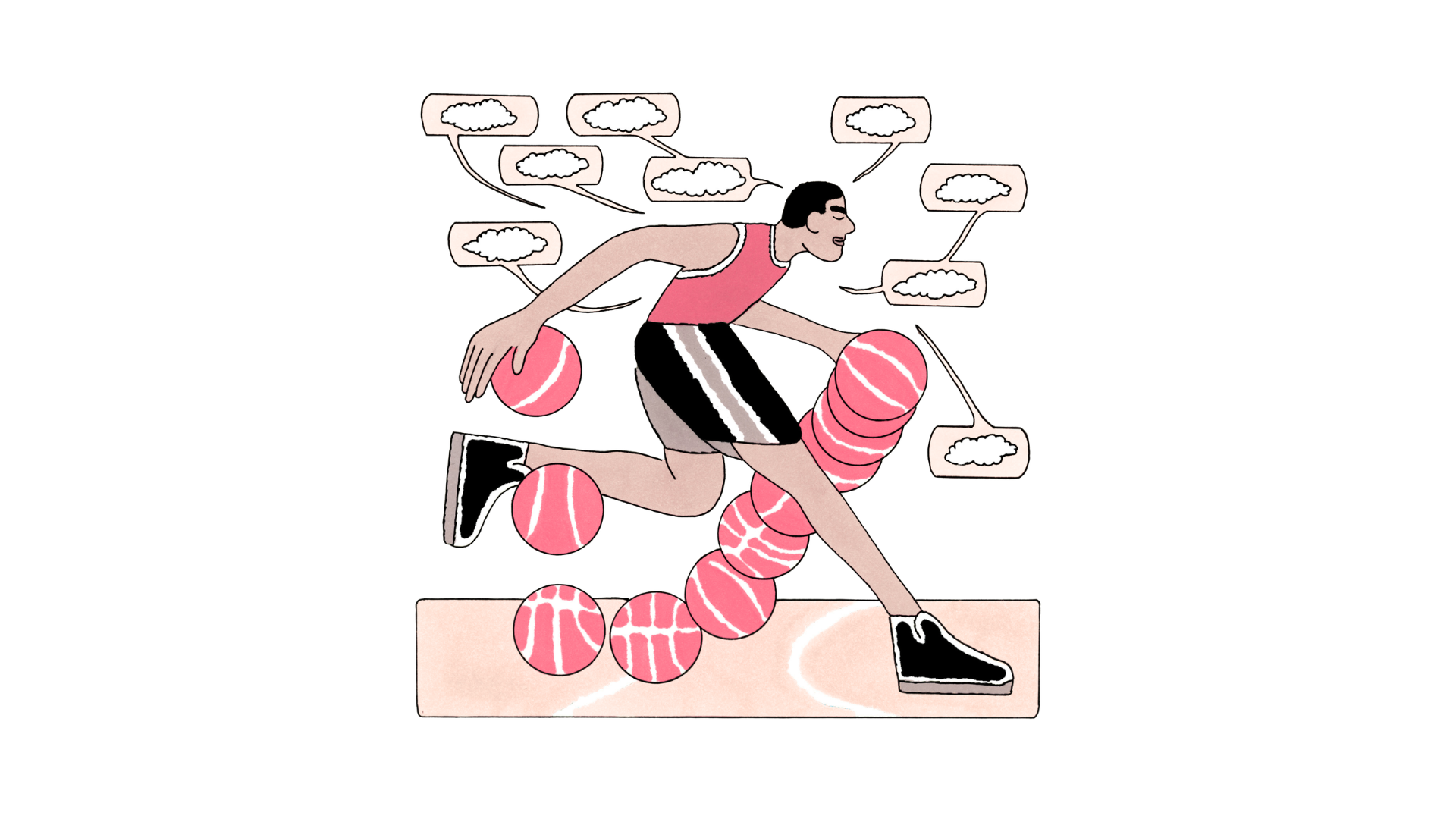
What if I told you that you could approach your work like an elite athlete approaches their sport?
This doesn’t mean carb-loading before meetings or ice-bathing after presentations (although, to each their own). It means to think more like a corporate athlete and less like a corporate machine.
Constantly pushing harder? Consider this…
Sustained peak performance requires rhythm.
Most professionals treat their careers like an endurance race: go harder, faster, and outlast the competition. However, elite athletes know that peak performance is not only about training hard, but also about training smart. This mindset lets you manage energy by balancing intensity with recovery, training all performance dimensions and designing structured routines that fuel long-term success.
The reality is this: grinding 24/7 may not actually help you to hit your stride. If endurance is the goal, developing the ability to adapt and sustain performance over the long haul can make all the difference.
The science of sustainable performance
Neuroscience tells us that the brain operates best in cycles of deep focus followed by deliberate rest. In fact, studies suggest that pushing through fatigue without recovery leads to cognitive decline, impaired decision-making, and burnout.
Dopamine – the neurotransmitter that fuels motivation – responds best to incremental wins. Breaking big goals into smaller, bite-sized milestones is critical to sustaining motivation, while sleep and rest are crucial for neuroplasticity – the brain’s ability to form and strengthen new connections.
Simply put: Prioritising recovery allows your brain to stay sharp, adapt, and continuously improve.
Two states, one transformation
In coaching sessions, I work with leaders to build two pyramids: one that captures their current situation and another that reflects their ideal performance state.
At the base of both pyramids lies physical well-being. Above that, we layer emotional resilience, mental clarity, and purpose-driven motivation. The goal is to ensure that all layers work in harmony, creating a state where performance isn’t only possible but repeatable and scalable.
Closing the gap
Once we’ve built on these two pyramids, we work to bridge the gap between current and future states. This is where high performers often stall – not because they lack ambition but because they focus solely on external strategies instead of building internal capacity.
The shift comes when you master the inner game:
1. Physical vitality fuels mental sharpness: Schedule movement, rest, and recovery as intently as you schedule meetings.
2. Emotional resilience creates stability: High-stakes environments require a stable emotional core. Learning how to regulate stress, reframe setbacks, and generate emotional energy is a performance multiplier.
3. Mental focus is a trained skill: Clarity under pressure isn’t luck but the result of intentional mental conditioning, like practising mindfulness and structured reflection.
4. Purpose powers endurance: When you align work with deeper meaning, motivation shifts from discipline to natural drive.
How to reinforce high performance
Performance is creating deliberate rituals that optimise energy, decision-making, and resilience. Athletes don’t only train before the big game; they train every day to ensure that the high-pressure moments feel like second nature.
Want to be a corporate athlete? Start here.
- Micro-recovery moments: Regularly reset your nervous system with deep breathing, short walks, or meditation to improve long-term stamina.
- Strategic energy cycles: Work in sprints, not marathons. Ninety-minute cycles of focus followed by active recovery lead to higher efficiency and better problem-solving.
- Cognitive priming: Set intentional goals and visualise success to condition your brain for performance under pressure.
- Personalised rituals: Every high performer has unique energy rhythms. The key is to identify and optimise them.
How are you training for the long game?
The best athletes train for a legacy, not only a season. My advice? Master your energy, train your mind, strengthen your resilience, fuel your purpose, and (most importantly) learn when to push and when to recover.
Ready to train for your best 2025? Think like an athlete because the ones who last are the ones who train for the long game.
About the author
I’m Dorothée Oung, Executive Coach and Neuroleadership Expert. I work with senior leaders and executive teams to apply neuroscience in practical, results-driven ways. My goal is to guide emerging and established Neuroleaders through deliberate, evidence-based practices that elevate how they lead, think and show up in the world.