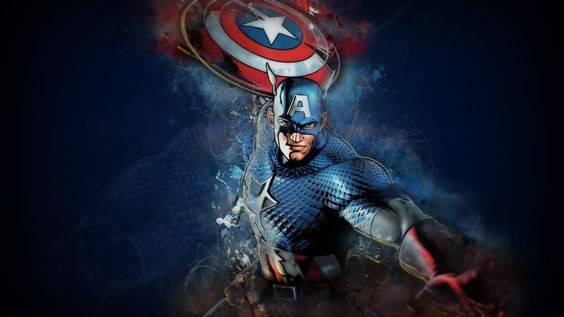
Former Invader, and current Avenger, Captain America is exactly that: a captain. Captain of his country. Captain of humanity.
To captain means to lead, and that’s precisely what he does, effortlessly.
Captain America is forthright and positive, honest, upfront, noble and unfailingly dependable. He’s also even-tempered and calm; neither lacking in self-assuredness nor confidence. So, why would someone like Captain America need coaching?
The backstory…
It’s important to understand Captain America’s past in order to understand his present. As a younger man, Steve Rogers was rejected by the US army multiple times, because he was physically weak. In response to this, he developed a powerful body and heightened speeds and reflexes, and was handpicked to be part of the Super-Soldier Programme.
He joined the Avengers to fight criminals across the globe, and his agility, strength, speed, endurance and superior reaction time make him one of the finest combatants Earth has ever known.
He also has the ability to lead all the complex personalities of the Avengers, leveraging their strengths and minimising their weaknesses.
Steve (the man)
People who are so deeply committed to helping others can sometimes lose sight of who they are and what they want.
When we find a mission, a vocation, and a passion in our profession, we risk not putting down boundaries to protect our time and other areas of life.
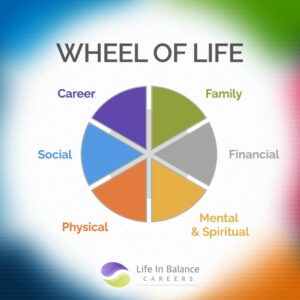
Take a look at the wheel of life for more clarity on this.
Albert Einstein’s words are important in this context: “Life is like riding a bicycle. To keep your balance, you must keep moving.”
Spontaneity in planning
People might think that, because Captain America is someone who relies so heavily on planning and organising, he doesn’t have any spontaneity in his life. But I believe the opposite to be true. Planning enhances spontaneity.
As the English poet Alexander Pope teaches, once you have planned a daily rhythm your creativity is no longer cluttered with chaos and disorder. This allows you to be more creative and to think more freely.
Who’s in the mirror?
As a child, Captain America was told he wasn’t good enough because of how he looked. How do we move beyond this messaging in adulthood?
The Johari Window exercise breaks this down into four areas:
- Open area – what you and others know about you
- Blind spot – what you don’t know about yourself, but others do
- Facade – what you know about yourself, but others don’t
- Unknown – what neither you nor others know about you
Once we identify these, we can take daily actions so that we (and others) see ourselves differently.
For example, Captain America saw a weakling in the mirror, but he also saw potential. He wanted to see someone physically strong who could protect others.
So he took daily actions to get stronger – he changed his diet, he exercised, he built strength, and he began to safeguard other people.
That’s how others began to see him, and how he began to see himself.
Captain of his life
Ultimately Captain America is Mr Dependable. But there’s a risk that he’s neglecting his own desires. All that’s needed is a little balance, and some time to do the things he wants to do.
Now it’s your call
Thanks to Erick Riviera for his request that we look into Captain America as a candidate for coaching! Which character from popular fiction do you think could benefit from coaching?
About the author
I’m Dorothée Oung, Executive Coach and Neuroleadership Expert. I work with senior leaders and executive teams to apply neuroscience in practical, results-driven ways. My goal is to guide emerging and established Neuroleaders through deliberate, evidence-based practices that elevate how they lead, think and show up in the world.